A Design Review for Diabetes Awareness Embroidery
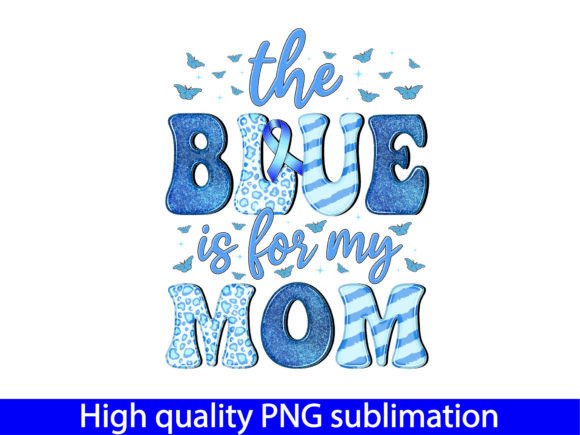
As someone who embroiders for clients and for my own small shop, I approach every new design with a practical eye. The question is always: how will this look when it’s actually stitched? Today, I’m considering the I Wear Blue for My Mom Diabetes Awareness design. It’s more than just a graphic; it’s a statement, and my job is to evaluate its potential as a real, stitched product.
First Impressions: A Heartfelt Statement, Not Just a Slogan
The title itself sets a clear emotional tone. This isn’t a generic medical logo; it’s a personal declaration. The design, by implication, needs to carry that weight. For a craft business, this mood translates directly into product value. When I imagine this as an embroidery file, I think of projects that feel like gifts—items meant for connection, not just decoration. It naturally belongs on things meant to be kept close: a cozy sweatshirt, a comforting pillow cover, a tote bag used daily.
The Real-Life Scenario: A Custom Embroidered Tote Bag
Picture this: a customer requests a custom tote for a friend whose mother lives with diabetes. They want it to be supportive, personal, and durable. The I Wear Blue for My Mom Diabetes Awareness design lands in my queue. My first thought isn't about the file formats, but about the final stitch. On a canvas tote bag, the text needs clarity and the overall shape needs a balanced stitch density to withstand use. The emotional resonance of the phrase will be etched in thread, making the handmade product inherently more meaningful.
Performance Across Typical Embroidery Projects
This design has broad application, but its best fits are where the message can resonate visually and tactilely.
Custom apparel like sweatshirts and t-shirts are prime candidates. The statement becomes part of the wearer’s identity. For baby clothes or nursery decor, it could be a beautiful way for a family to share a story of love and support. As an embroidered patch, it offers versatility, allowing it to be added to caps, aprons, or blankets. For small business merchandise, especially for shops focused on heartfelt gifts or awareness products, it adds a ready-made, professional design asset to their catalog.
Thinking of commercial embroidery projects, such as a run of kitchen towels for a boutique, the design’s simplicity is key. It should stitch cleanly without overly dense fill stitches that might stiffen the fabric. The inclusion of multiple file formats—SVG, DXF, PNG, PDF, AI, JPG, EPS—means it’s adaptable. I can use the SVG for cutter software to create applique bases, or the high-resolution PNG for printable mockups in my Etsy listings, which boosts buyer engagement with a realistic preview.
Where This Design Requires a Careful Approach
No design is universally perfect. Here’s where my experience prompts caution.
The likely presence of text means small lettering details are a concern. On small hoop sizes or on curved surfaces like caps, tiny serifs or tight corners could lose clarity. Stitching on dark fabric requires careful thread color contrast planning—that “blue” needs to pop. Textured or stretchy fabrics demand the right stabilizer to keep the sentiment legible after washing.
For products like baby items or apparel that need frequent washing, I’d test the stitch integrity on scrap fabric first. A dense stitch area in the design’s heart or ribbon elements could be less flexible. The goal is a finished product that maintains its visual appeal and professionalism over time, which builds customer trust.
The Impact on Your Craft Business and Customer
Using a design like this affects more than just the stitch.
It elevates the product value by embedding a powerful narrative. A personalized gift embroidered with this statement carries inherent weight. For an Etsy seller or creative entrepreneur, it supports brand consistency if your shop focuses on awareness, support, or family-themed goods. The recognition factor—the blue and the clear message—creates immediate understanding, enhancing the giftability and emotional impact of your handmade presentation.
It also engages a specific buyer looking for more than decoration. They’re seeking a connection, and your embroidered product becomes the conduit. That’s a powerful position for a small shop product.
Practical Notes for the Embroidery Designer
Before hooping up your first real project, here’s my checklist.
- Always test on scrap fabric first. Use the same material and stabilizer you plan for the final product. This reveals the true stitch density and how small details render.
- Check thread color contrast. Run a mental (or actual) test for both light and dark fabric backgrounds. Does the design hold its visual clarity?
- Confirm your hoop size. Based on the design’s scale, will it fit your intended project area without forcing a resize that might compromise detail?
- Inspect the small details in the provided files. Open the formats and look closely at corners and text spacing. This is crucial for machine embroidery design.
- Review the licensing. The product is in the Crafts and Graphics category. Before selling finished items or using it in commercial embroidery, confirm the terms for your use case.
- Use proper stabilizer. This is non-negotiable for maintaining the design’s integrity, especially on stretchy or thin fabrics.
Remember, a design like I Wear Blue for My Mom Diabetes Awareness is a tool. Its success in your embroidery project—whether a holiday gift, boutique product, or custom apparel—depends on your thoughtful application. It offers a beautiful, ready-made sentiment, but your skill as a maker determines how that sentiment is truly felt in the finished product.