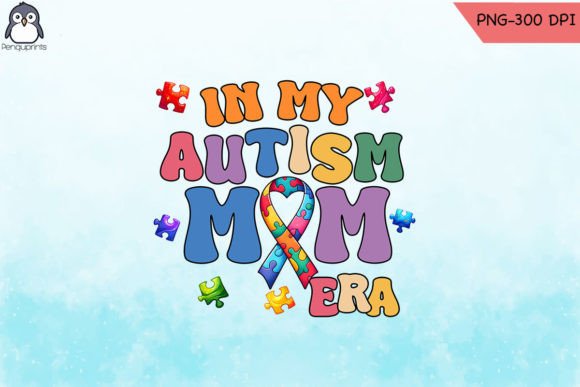
A Designer's Review: In My Veins Autism Mom PNG for Embroidery
When a design file like In My Veins Autism Mom PNG lands on my screen, my first question isn't about its technical specs. It's about its soul. I look for the emotional core, the visual personality that will translate from pixels into stitches. This design immediately strikes a chord. It's heartfelt, declarative, and carries a weight of personal identity that goes beyond mere decoration. For an embroidery designer or a crafter running a small business, that emotional resonance is the raw material for creating products that truly connect.
The Mood and Mindset Behind the Stitches
The phrase “In My Veins” suggests something fundamental, intrinsic, and deeply personal. Pairing it with “Autism Mom” creates a powerful statement of identity and love. From a purely aesthetic standpoint, the layout likely prioritizes this text as the central, unmissable element. This isn’t a subtle, decorative motif; it’s a banner. The mood it creates is one of pride, strength, and unwavering connection. For embroidery, this means the design naturally belongs to projects that are personal keepsakes or gifts of profound meaning—things meant to be worn, displayed, or used with a sense of affirmation.
I envision this on a well-made sweatshirt for a mother, a tote bag she uses daily, or a framed hoop art piece for her home. It’s not a design for fleeting trends; it’s for products that become part of someone’s story. For an Etsy seller or a boutique focusing on personalized gifts, this is gold. You’re offering more than an ornament; you’re offering a way for someone to visibly honor a fundamental part of their life.
A Practical Scenario: Crafting a Custom Embroidered Tote
Let’s walk through a real case. Imagine a client requests this design on a canvas tote bag. My first thought is scale. The text needs to be large enough to be legible and impactful but balanced so it doesn’t overwhelm the bag’s surface. I’d consider placing it centered, perhaps on the front lower panel. The choice of thread color becomes crucial. Against a natural canvas, a rich, deep blue or a classic black would offer strong contrast and clarity. On a dark bag, a bright, clean white or a metallic silver might be necessary to achieve the same visual weight.
The fabric texture of a tote is generally forgiving, but a design with potential dense areas (if there are decorative accents or thicker lettering) requires the right stabilizer to prevent puckering. The finished product here isn’t just a bag; it’s a statement piece the client uses every day. That means the stitching must be clean, durable, and professional. A poorly executed version of such a personal message would feel disrespectful to its meaning. For a craft business, the quality of the finished product directly affects customer trust and your brand’s reputation for care.
Performance Across Real Embroidery Projects
This embroidery file has a wide potential application range, but its performance will vary by project. On a heavyweight sweatshirt or a quilted pillow cover, it will likely stitch out beautifully, with the fabric providing a solid, stable base. These are ideal canvases for a bold text-based design.
For baby embroidery on a delicate jersey knit or a custom apparel item like a lightweight t-shirt, more caution is needed. Thin or stretchy fabric can distort under the tension of stitches, especially if the design has areas of high stitch density. A sturdy cutaway stabilizer and perhaps even testing on a scrap of similar fabric first would be wise. The design’s impact on a baby’s onesie, as a gift from an autism mom to her child, is incredibly poignant, but the technical execution must be flawless to preserve the fabric’s integrity and comfort.
Embroidered patches are another fantastic outlet. A patch allows the design to become a movable emblem, appliquéd onto a backpack, a jacket, or a blanket. This approach also sidesteps issues with challenging fabrics, as the patch is constructed on stable material first. For a small shop product, offering this design as a ready-made patch or as a customization option adds versatility to your merchandise.
Where This Design Requires Careful Consideration
Not every project is a perfect fit. The natural limitations come from the design’s likely characteristics. If the lettering is intricate with fine details or small serifs, it might become muddled on very textured fabrics like linen or looped towels. Similarly, on curved surfaces like caps, the distortion of the curved crown can compress or stretch parts of the design, potentially affecting the clarity of the words.
Working on very dark fabric requires a thoughtful thread palette. A single light thread color might suffice, but if the design has internal details or layers, you need to ensure all elements remain visible against the dark background. Always test it in black and white mockups or stitch out a sample to check contrast. Also, consider products that need frequent washing, like kitchen towels or aprons. While embroidery is durable, a design with very dense stitching on a frequently laundered item might show wear faster than a simpler motif.
Turning a PNG Into a Professional Embroidery Asset
For the digital embroidery file derived from this PNG, the transition from graphic to stitches is where your skill as a designer or decorator comes in. The visual appeal of the final piece hinges on your choices: thread type, stitch assignment (whether elements use satin stitch for smoothness or fill stitch for coverage), and overall composition on the product.
This design elevates the product value. On a basic sweatshirt, it transforms it into a meaningful personalized gift. On a handmade product in your craft business, it increases its perceived worth because it speaks to a specific, heartfelt narrative. This specificity, however, is also its focus. It’s not a generic “Mom” design; it’s for a particular community. Your buyer engagement will be deep with those who connect with it, but narrower in overall scope. That’s perfect for niche marketing.
Brand consistency matters too. If your shop specializes in affirmation or special-needs family support, this design aligns perfectly and strengthens your niche. If your offerings are more general, it becomes a powerful special-order item.
Essential Notes for the Embroidery Designer
Before this design ever touches a client’s garment, a few non-negotiable steps should be on your list.
- Test the design on scrap fabric first. Use a fabric similar to your final project. This reveals any issues with stitch density, tension, or small detail fidelity.
- Check thread color contrast thoroughly. View your thread choices on both light and dark backgrounds if you plan to offer the design on various products.
- Confirm hoop size requirements. Ensure the design fits comfortably within your intended hoop for the project, allowing for clean borders and no cramming.
- Inspect small details. If the PNG includes any decorative elements around the text, make sure they translate well into stitches and won’t become lost or blurry.
- Use the proper stabilizer for your fabric type. This is the foundation of a professional-looking finish.
- Most critically, check whether the design works for both personal and commercial projects and confirm licensing before selling finished items. The product description mentions “digital files” for DIY projects, but as a professional using it for commercial embroidery, you must verify the license grants you the right to sell the embroidered physical products. Never assume.
Finally, consider the giftability and recognition factor. An item embroidered with In My Veins Autism Mom PNG will be instantly recognized and valued by those within the autism parenting community. It shows you, as the maker, understand and respect that specific experience. That connection is what turns a simple crafts project into a truly significant finished product.
In the end, this graphics file is more than a set of digital instructions for a machine. It’s a vessel for a powerful message. Your job as the embroidery professional is to carry that message into the physical world with the utmost technical care and aesthetic respect. When you do, you create not just merchandise, but meaningful artifacts.