A Designer's Review of 'Mother's Day, My Boss Called Me Mom'
The First Impression: Humor with Heart
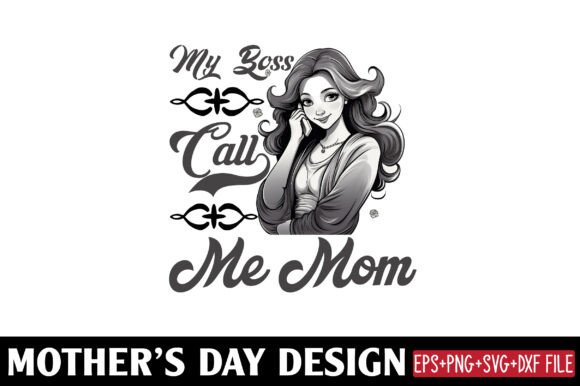
When I first opened the 'Mother's Day, My Boss Called Me Mom' embroidery design, my reaction was a genuine smile. It’s a design that captures a specific, relatable feeling—that blend of workplace professionalism and unexpected personal warmth. The visual personality is playful and warm, not overly sentimental or cartoonish. It feels like it belongs on a gift meant for a mom who also thrives in her career. The layout seems balanced for embroidery, with lettering that likely has clear, readable shapes and thematic elements that wouldn't overwhelm a garment. My designer instinct immediately pictured it on a cozy, high-quality sweatshirt or a structured tote bag—items that carry a message with comfort and style.
Where This Design Shines in Real Projects
This embroidery file is a strong candidate for personalized gifts and small shop merchandise. Imagine a client requesting a custom embroidered tote for her boss, who has been a mentor and support system. This design would turn that simple bag into a thoughtful, witty Mother’s Day gift. It would also resonate on baby items like a blanket for a new mom returning to work, or a personalized apron for a workplace ‘mom’. For Etsy sellers and boutique owners, this design could anchor a whole product line for Mother’s Day: embroidered pillow covers, kitchen towels, or caps. The ‘no copyright issue’ note is crucial here; it gives craft businesses and apparel decorators the confidence to use this as a commercial embroidery asset without legal worry, whether for physical products or in digital mockups for their shops.
Visual Appeal and Customer Reaction
In my experience, a design like this boosts product value because it connects emotionally. On a finished product, well-embroidered with good thread color contrast, it tells a story. Customers aren't just buying a sweatshirt; they're buying a shared sentiment. That builds trust and engagement. For handmade presentation, the clarity of the stitching is key. If the satin stitches or fill stitches in the design are clean, the final piece looks professional—not homemade in a cheap sense, but crafted with care. This directly supports brand consistency for creative entrepreneurs who want their work to feel both heartfelt and expertly made.
Practical Considerations Before Hooping Up
While the mood is great, a practical review means thinking through the stitch. The description mentions the design comes filled with many different themes. That suggests possible detail density. For embroidery, that means you need to consider stitch density, especially on stretchy fabrics like t-shirts or on textured fabrics like some blankets. Always test this embroidery design on scrap fabric first, using the stabilizer appropriate for your final fabric. This lets you check if small details, like possibly intricate lettering in ‘Mom’, stitch out clearly without puckering.
Navigating Tricky Applications
Some applications require extra care. Embroidering this onto a curved surface like a cap might be challenging if the design is wide or has dense fill stitch areas. Dark fabric backgrounds demand thoughtful thread color choices—you might need to switch to brighter, contrasting hues to maintain the same friendly mood. For products that need frequent washing, like baby clothes or kitchen towels, ensuring the embroidery is secure and using high-quality threads becomes paramount to preserve that visual appeal. The design likely works beautifully on stable fabrics like cotton tote bags or polyester-blend sweatshirts, where the handmade product will look crisp for years.
The Embroidery Designer's Checklist
Before committing this to a client project or your craft business inventory, run through a few key steps. First, confirm the actual hoop size required. Don't assume; check the file details to see if it fits your machine's capabilities. Review the implied stitch density by looking at the design preview; dense areas might need a lighter stabilizer on thin fabrics. Do a simple test in both light and dark fabric mockups, even just digitally, to plan your thread palette. Since it's categorized under Crafts and Graphics, remember it's a digital embroidery file meant for conversion into a physical product. That conversion step—from graphic to stitches—is where your skill as a maker matters most. Finally, while the description states there is no copyright issue, it’s always a professional habit to double-check the licensing specifics before selling finished items, especially for commercial embroidery projects. This protects your business and your customer.
The Final Verdict for Makers
'Mother's Day, My Boss Called Me Mom' is a design with clear commercial and personal appeal. It’s not a generic graphic; it has a niche that makes it valuable. For embroidery designers and small business owners, it represents an opportunity to create products that feel current and connected. My realistic advice is to embrace its humor and heart, but pair it with your technical embroidery expertise. Use it on products where the message can be fully appreciated—on apparel, decor, and gifts that people will keep. By focusing on quality stitching, thoughtful fabric pairing, and clear product photography for your Etsy listings or craft fair table, this design can help step up your crafting game in a very real, profitable, and enjoyable way.