A Designer's Review of My Favorite Dancer Calls Me Mom
Let me start by saying that when you’re evaluating embroidery designs for real client work or your own product line, you’re looking for more than just pretty graphics. You’re looking for a design that translates beautifully into stitches, resonates with customers, and fits seamlessly into your workflow. Today, I’m putting My Favorite Dancer Calls Me Mom under that practical lens.
The First Impression: Warmth, Celebration, and a Touch of Elegance
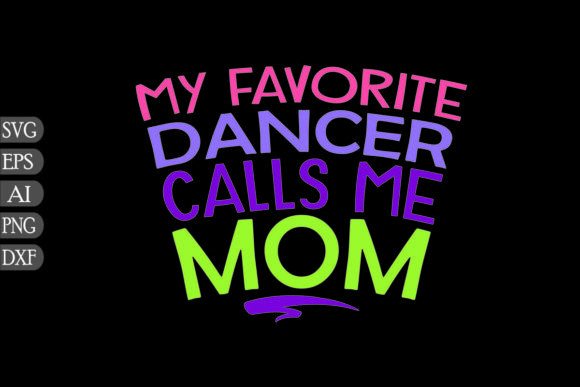
Opening this file, the immediate feeling is one of celebration and heartfelt pride. The theme is clear and universally relatable—it’s a design that honors a bond. The layout tends to be central and balanced, often with the text integrated as a key part of the visual, not just an add-on. This gives it a cohesive personality. The detail level is typically thoughtful; it avoids being overly simplistic or, conversely, drowning in tiny elements that would become a stitching nightmare. It feels like a design meant for a special gift or a cherished personal item, not something generic.
From a purely visual standpoint, it creates a mood that’s warm, slightly elegant, and deeply personal. This tells me it naturally belongs to projects like custom keepsakes, boutique baby items, personalized holiday gifts, or high-quality apparel for small shop merchandise. It’s not a design I’d throw onto a quick promotional cap; it’s one I’d reserve for products where the sentiment is the primary sell.
Where This Design Shines in Real Projects
Imagine you’re preparing a custom order for a client—a mother who wants a gift for her daughter who’s a dedicated ballet dancer. You’re considering a soft, high-quality sweatshirt or a beautiful linen tote bag. My Favorite Dancer Calls Me Mom comes into play here perfectly. On a premium cotton sweatshirt, with careful thread selection, this design would stitch out as a focal point of pride. The sentiment elevates the garment from mere apparel to a narrative piece.
For small business owners and Etsy sellers, this design is a strong candidate for a curated product line. Think embroidered pillow covers for a dancer’s bedroom, delicate tea towels as a unique wedding gift for a dance teacher, or even as a beautifully rendered patch on a denim jacket. The emotional hook is immediate, which drives buyer engagement. In my experience, designs with clear emotional resonance like this tend to photograph well for mockups, feel more “giftable,” and enhance the perceived value of the finished product. Customers trust that you’ve chosen a design with meaning, which strengthens your handmade presentation.
Beyond Apparel: Digital and Commercial Flexibility
The product description notes you get a bundle of editable and high-resolution files. This is significant. For creative entrepreneurs selling digital products, having AI, EPS, SVG, and PNG files means you can adapt My Favorite Dancer Calls Me Mom for printable mockups, website graphics, or even incorporate elements into your branding if your shop is dance-themed. The transparent backgrounds and high-resolution JPGs are essential for creating professional listings. For commercial embroidery projects, like a series of items for a local dance studio’s boutique, these file types provide the flexibility needed for different applications.
Practical Considerations and Where to Be Careful
No design is perfect for every single scenario. The charm of My Favorite Dancer Calls Me Mom also comes with practical embroidery considerations you must think through.
If the design includes fine details or smaller lettering, you need to be cautious on very small hoop sizes or textured fabrics like thick towels. Stitch density needs to be appropriate; a too-dense fill stitch on thin or stretchy fabric like a t-shirt can cause puckering. Always, always test on a scrap of the actual fabric you plan to use.
Dark fabric requires extra attention to thread color contrast and possibly a lighter underlay. Applying this design to curved surfaces like caps demands good stabilizer and potentially adjusting the layout to fit the curvature without distorting the sentiment. For products destined for frequent washing—baby clothes or kitchen linens—you’ll want to ensure the stitch structure is robust and the threads are colorfast.
The emotional weight of the design means it might not fit a brand that’s purely minimalist or abstract. It needs a context that matches its personality. Using it on a busy, patterned fabric could also muddy its clarity.
A Real-Life Scenario: The Embroidered Baby Blanket
Let’s walk through a real case. A customer orders a baby blanket for a grandmother whose granddaughter is starting dance classes. You choose a soft, neutral blanket fabric. Here, My Favorite Dancer Calls Me Mom becomes the centerpiece. You’d likely opt for a smooth satin stitch for the main elements and a clean running stitch for finer lines. The high-resolution mockups from the file bundle help you visualize the final product for the client before stitching. The outcome is a professional, heartfelt gift that feels custom-made, not mass-produced. This builds brand consistency for you as a designer who understands the project’s deeper purpose.
Essential Designer Notes Before You Stitch or Sell
Before you load this file into your machine or list it in your shop, here’s my checklist from years of reviewing designs:
- Test the design on scrap fabric first. This is non-negotiable. Check for stitch clarity, especially in any detailed corners or tiny text areas.
- Review the stitch density by running a small section. Does it feel appropriate for your target fabric?
- Confirm the hoop size you’ll need. Does the design’s scale work for your intended product—a large pillow or a small cap?
- Check thread color contrast. Run mental or digital mockups on both light and dark backgrounds. The provided PNGs with transparent backgrounds make this easier.
- Use proper stabilizer. The right stabilizer can make or break the look on challenging fabrics.
- Consider the licensing. The product description mentions editable files, but always confirm the specific license terms for using this design in commercial projects or selling finished items. Never assume.
- Finally, ask yourself: Does this design work for both personal projects and commercial potential? With My Favorite Dancer Calls Me Mom, the answer leans yes, given its strong emotional appeal and professional file bundle.
In the world of crafts and graphics, a design is only as good as its real-world application. My Favorite Dancer Calls Me Mom passes the initial review with its strong sentimental core and technical versatility. It’s a design that, when paired with careful embroidery execution, can create truly special handmade products, elevate a small shop’s offerings, and result in gifts that feel genuinely personal. Your job as the designer is to match its heart with your skill.