An Honest Review of a Sewing-Lover's Embroidery Design
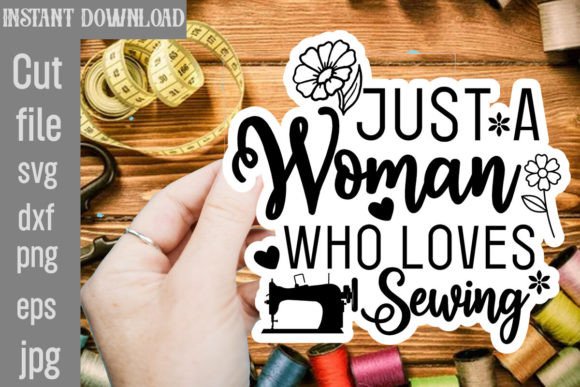
As someone who reviews embroidery files for a living, I look at a lot of designs. My first job is to strip away the marketing and see what’s really there—the raw visual personality, the practical stitchability, and the genuine fit for a real project. Today, I’m putting Just a Woman Who Loves Sewing SVG Cut File through that lens, imagining it stitched out on a client’s tote bag or a boutique’s sweatshirt.
The First Impression: Warm, Clear, and Unapologetically Passionate
This design doesn’t whisper; it declares. The theme is immediately recognizable and resonant. It’s for a specific audience—the sewist, the maker, the hobbyist who defines herself by her craft. That creates an instant mood of warmth and identity. The layout is straightforward, which is a strength. There’s no visual clutter fighting for attention, meaning the embroidery won’t feel busy or overwhelming on a finished product. The detail level appears balanced: the lettering is the focal point, with supporting elements that frame it without overpowering it. This is a graphic that feels confident and friendly, like a well-made badge of honor.
Where This Design Naturally Belongs in Your Project Lineup
Let’s walk through a real scenario. You’ve got a custom order for an embroidered tote bag for a local sewing teacher. She wants something personal, durable, and a bit inspirational for her students. Just a Woman Who Loves Sewing SVG Cut File slides right into this niche. It’s perfect for personalized gifts, boutique merchandise, or even branded items for a small creative business. I can see it working beautifully on:
- Custom apparel: A well-placed embroidery on the left chest of a sweatshirt or the back of a denim jacket.
- Home goods: Crisp and clean on a pillow cover for a sewing room or a kitchen towel for someone who loves handmade.
- Carrier items: That tote bag scenario, or perhaps a durable patch on a work apron.
- Baby & nursery decor: For a crafty mom, stitched onto a blanket or a small wall hanging.
- Small shop products: As a consistent design across a line of merchandise for an Etsy seller focusing on maker culture.
The design’s clarity makes it a strong candidate for printable mockups and digital product previews, too, helping sell the idea before the stitch is even made.
Visual Appeal and Stitching Clarity: What You’ll See on the Fabric
The real test is how it translates from screen to stitches. Because the design relies on clear typography and supportive shapes, stitch clarity should be high. On a medium-weight fabric like cotton or canvas, with proper stabilizer, the satin stitches for the lettering should look crisp. The fill areas, depending on how you digitize it for your machine, will need attention to density—too dense on a thin t-shirt could cause puckering, but on a tote bag it would provide a lovely, substantial feel. This clarity directly boosts the perceived value of the handmade product. A clean, well-defined embroidery like this builds customer trust; it looks professional and intentional.
Careful Application: Where to Slow Down and Test
Not every design fits every surface. Here’s where a practical designer’s judgment comes in. With any text-centric design, you must be mindful.
- Small hoop sizes: If you’re trying to shrink this down for a baby hat or a tiny patch, the lettering details might become too fine, losing readability.
- Textured or stretchy fabric: A fluffy sweatshirt or a stretchy knit requires extra stabilizer and potentially adjusted stitch parameters to keep those clean lines from distorting.
- Dark fabric: Thread color contrast is paramount. A white or light lettering on a dark background will pop, but you must ensure your stitch coverage is solid to avoid the fabric showing through.
- Curved surfaces: Embroidering this on a cap requires careful placement so the text doesn’t wrap awkwardly around the curve.
- Products needing frequent washing: On items like kitchen towels or aprons, a robust stitch density and quality thread will ensure the design lasts.
The key is to never assume. Test on scrap fabric first.
A Note on Commercial Use and Final Product Presentation
For craft business owners and Etsy sellers, this design affects more than just stitches. It affects brand consistency. If your shop celebrates handmade culture, using Just a Woman Who Loves Sewing SVG Cut File across a product line—totes, tees, pillows—creates a recognizable theme. It enhances giftability; a customer buying this for a sewing friend knows the message is perfect. However, always confirm the licensing terms provided with the files before selling finished items. The product description states it includes vector files (EPS) and a high-res PNG, which are typically good for commercial use, but you must verify.
Practical Designer Notes Before You Hoop Anything
My final thoughts are always a checklist. Before you run this embroidery file for a client project or your next small shop product:
- Test it on your actual project fabric scrap. Check for pull, distortion, and stitch clarity.
- Review thread color contrast. Run it in black and white mockups mentally to see if the shapes hold up without color.
- Confirm your hoop size can accommodate the design without compressing the details.
- Inspect the small details in the provided files—are corners clean for smooth satin stitches?
- Use proper stabilizer for your fabric type. This is non-negotiable for clean results.
- Compare how it would look on both light and dark fabric backgrounds. You might need two slightly different digitizing approaches.
Just a Woman Who Loves Sewing SVG Cut File is a graphics product with clear, practical appeal. It’s not a complicated design asset, which is often its greatest strength. In the hands of an embroidery designer who understands fabric and machine settings, it can become a clean, proud, and professional piece of work—whether that’s a single personalized gift or a whole line of craft business merchandise. It speaks directly to a community, and when stitched well, it speaks clearly.