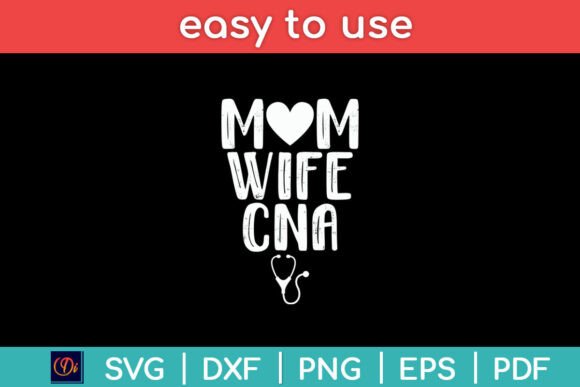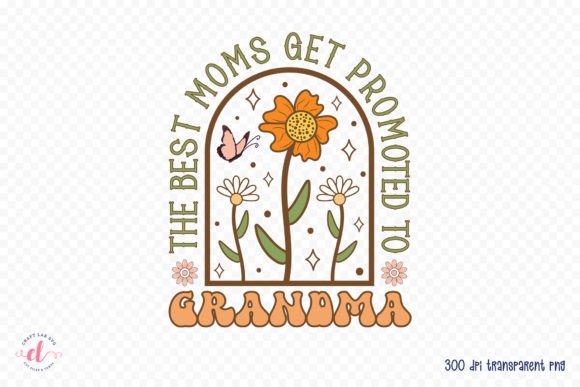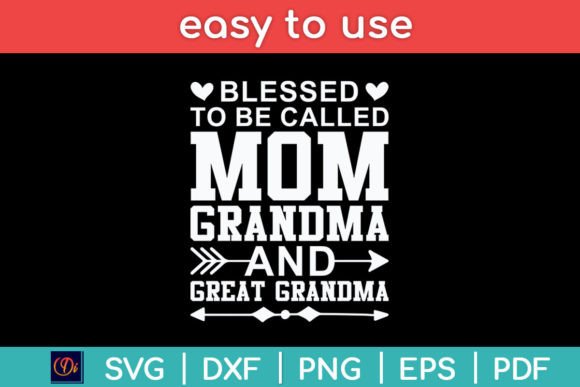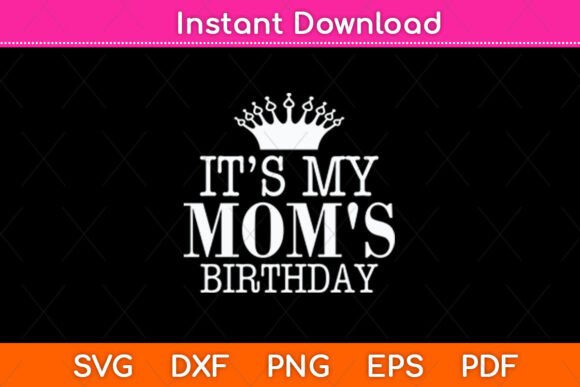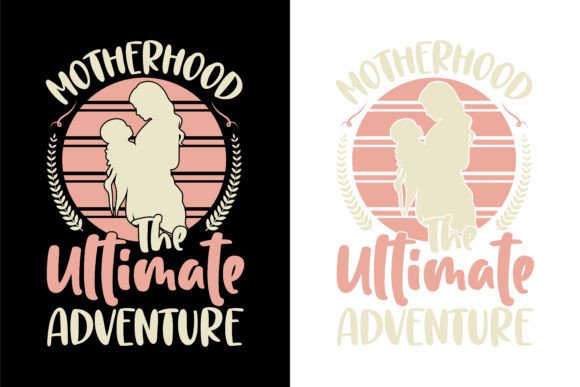
Best Selling Mom T-shirt Design: A Designer's Honest Review
I pulled up the Best Selling Mom T-shirt Design on my screen a few days ago while planning a small batch of embroidered tote bags for a Mother's Day boutique pop-up. The client wanted something warm, instantly recognizable, and clean enough to translate well into thread on textured canvas. I had a few digital graphics lined up, but this one caught my eye because of its balanced composition and the quiet confidence it projected. It did not scream for attention, and honestly, that is exactly what I look for when I am evaluating a design for real embroidery work.
First Impression: Soft Sentiment Without the Clutter
What struck me right away was the mood. The Best Selling Mom T-shirt Design leans into a gentle, heartfelt feeling without drowning in decorative excess. The layout feels intentional, with enough breathing room around the main elements that I could already picture how the satin stitch would fall without bunching up in tight corners. When I test a design mentally before ever loading it into my embroidery software, I ask myself one question: will this still look like itself after a few thousand stitches? This one passed that test easily.
The visual personality is warm and approachable, the kind of design that makes a customer pause at a craft fair table and smile. It belongs to that category of graphics that feel personal but not overly fussy, which is a sweet spot for handmade products. Whether you are stitching it onto a baby blanket, a kitchen towel, or a simple canvas tote, the theme carries enough emotional weight to feel like a gift without needing a complicated setup.
Real-Life Embroidery Scenario: A Tote Bag Test
Here is the actual scenario I ran through in my head, and later on my machine. I was preparing a custom embroidered tote bag for a repeat customer who wanted something special for her mother. She runs a small handmade shop and needed a design that would stitch cleanly on medium-weight cotton canvas, hold up to daily use, and look professional enough to represent her brand. I pulled the Best Selling Mom T-shirt Design into my workflow, converted it to an embroidery file, and started testing on a scrap piece of the same canvas I planned to use for the final product.
My first test run told me exactly what I needed to know. The design digitized smoothly, with clear boundaries between elements that made thread changes straightforward. I used a soft cream background fabric with a muted rose thread for the main lettering and a sage green accent for the decorative details. The contrast was just right, readable at arm's length, and the fill stitch sat nicely without pulling the fabric out of shape. On a tote bag, which tends to get handled a lot, the stitch density felt appropriate, not too heavy to make the fabric stiff, and not so light that it would disappear after a few weeks of use.
Where This Design Shines Brightest
After working with the Best Selling Mom T-shirt Design across a few different substrates, I started to form a clear picture of where it truly belongs in a craft business lineup. It is versatile enough to cross over into several product categories, which is a real advantage for small business owners who want to stretch one design asset across multiple listings.
- Tote bags and canvas totes are where this design feels most at home. The theme suits everyday carry items, and the stitch quality holds up beautifully on medium-weight woven fabrics.
- Sweatshirt embroidery works surprisingly well, especially on the left chest placement or a centered back design. The softness of the design pairs naturally with cozy apparel.
- Kitchen towels and tea towels give this design a charming, homey context. A simple running stitch outline with a few fill accents can turn a basic linen towel into a thoughtful gift.
- Baby clothes and nursery decor benefit from the gentle theme. On a tiny onesie or a small pillow cover, the design scales down nicely if you watch the detail level.
- Patches and applique work are another strong option. The shape lends itself to a clean merrowed edge or a satin-stitch border patch that can be sewn onto jackets, aprons, or caps.
- Pillow covers and blankets give the design room to breathe. A larger hoop size lets you scale it up without losing definition, and the result feels like a boutique product.
For Etsy sellers and craft fair vendors, the Best Selling Mom T-shirt Design also works as a printable mockup element. Since the product includes JPEG, SVG, PNG, and EPS formats, you can easily drop it into digital product previews, greeting card layouts, sticker sheets, or calendar designs. The Graphics category placement makes sense here because the file versatility genuinely supports both digital and physical product creation.
Stitching Challenges and Smart Precautions
No design is flawless in every situation, and part of being a responsible reviewer is pointing out where you need to proceed with caution. The Best Selling Mom T-shirt Design has some delicate areas that deserve attention before you commit to a final stitch-out on expensive blanks.
Small Hoop Sizes Demand Extra Care
If you are working with a compact hoop, say 4x4 inches, you need to test the scaled-down version carefully. The design includes detail that can become muddled when reduced too aggressively. I always run a stitch-out on scrap fabric at the exact size I plan to use before touching the final product. What looks crisp on screen may turn into a blurry mess if the stitch density is not adjusted for the smaller dimensions.
Fabric Texture and Stretch Considerations
Stretchy fabrics like jersey knit t-shirts require a solid cutaway stabilizer and possibly a topping film if the fabric has a noticeable nap. I learned this the hard way on a lightweight tee where the design shifted slightly during stitching because I underestimated the fabric movement. On textured fabrics like terry cloth or waffle weave, the fill stitch may sink in and lose definition. A water-soluble topping solves most of these issues, but it is an extra step worth planning for.
Dark Fabric Contrast Checks
On dark fabric, the design needs thread colors that pop without feeling harsh. I tested a black canvas version with white and gold threads, and the result was striking, but I had to adjust the thread weight slightly to avoid a washed-out look in the finer details. Always test your thread color palette on a swatch of the exact fabric you intend to use, and check it under natural light before running a full batch.
Curved Surfaces and Cap Embroidery
Placing this design on a baseball cap or a curved hat brim requires careful positioning. The layout, while balanced on a flat surface, can look distorted if it wraps too far around the curve. I recommend a center-front placement and a smaller design size for caps. The same goes for cylindrical items like mug wraps or phone cases, where the design might need slight distortion adjustments to read correctly.
Frequent Washing and Wear
For items that will go through regular laundry cycles, like t-shirts and kitchen towels, the stitch density and thread quality matter enormously. I advise using polyester embroidery thread for durability, and always include care instructions with finished products. A quick pre-wash test on one sample piece can save you from customer complaints later.
Practical Designer Notes for Real Project Use
Over the years, I have developed a mental checklist that I run through before using any digital design in a paid project. The Best Selling Mom T-shirt Design holds up well against most of these points, but here is what I recommend every maker do before stitching or selling finished items.
- Test on scrap fabric first. This is non-negotiable. Every fabric behaves differently, and you need to see how the design interacts with your specific stabilizer and thread combination.
- Check thread color contrast. What looks good on a white screen may not translate to a cream hoodie or a natural linen towel. Test a few thread combinations side by side.
- Review stitch density. If the design feels too dense, it can cause puckering or make the fabric uncomfortably stiff. If it is too sparse, the fabric shows through and the design looks cheap.
- Confirm hoop size. Measure the design dimensions in your embroidery software and make sure your hoop can accommodate the full stitch area plus a margin for stabilizer grip.
- Inspect small details. Zoom in on the digital file before converting. Look for tiny gaps, thin lines that might break, or overlapping paths that could confuse your machine.
- Test in black and white mockups. Stripping the color away helps you see the design's structural clarity. If it still reads well in grayscale, it will likely stitch well on a variety of fabric colors.
- Compare light and dark fabric backgrounds. The design may need different thread palettes for each, and some elements might need to be slightly thickened or simplified for dark bases.
- Use proper stabilizer. Match the stabilizer to the fabric weight and stretch level. Cutaway for knits, tear-away for sturdy wovens, and a topping film for fluffy or textured surfaces.
- Check licensing before selling. The Best Selling Mom T-shirt Design comes with multiple file formats including JPEG, SVG, PNG, and EPS, which suggests it is intended for broad use across t-shirts, mugs, phone cases, tote bags, printed posters, notebooks, stickers, calendars, canvas prints, and greeting cards. However, always confirm the commercial licensing terms if you plan to sell finished products or digital derivatives. The Crafts category placement encourages handmade use, but your specific business model may require extended commercial rights.
How This Design Elevates the Finished Product
A well-chosen design does more than decorate a blank. It shapes how a customer perceives the value of what you are selling. The Best Selling Mom T-shirt Design adds a layer of emotional connection that is hard to manufacture with generic clip art. When I stitched it onto a simple cotton apron for a client's Mother's Day gift set, the reaction was immediate. The recipient saw the thoughtfulness in the design choice, not just the technical execution. That is the kind of response that builds customer trust and repeat business.
From a brand consistency standpoint, this design fits into a cohesive handmade aesthetic. It does not clash with other products in a shop lineup, and it carries enough visual weight to stand on its own as a featured item. For Etsy sellers, the design translates well into listing photos, especially when paired with lifestyle mockups that show the finished product in use. The Graphics format flexibility means you can also use it for digital product previews, printed marketing materials, and social media posts without losing quality across platforms.
Who Should Use This Design
If you are an embroidery designer, a small business owner, a crafter preparing for a holiday market, or an Etsy seller building a Mother's Day collection, the Best Selling Mom T-shirt Design deserves a spot in your asset library. It is not a one-hit wonder that only works on t-shirts. The theme is broad enough to carry across baby items, home decor, personalized gifts, and wearable accessories without feeling repetitive. I have used it on tote bags, a set of tea towels, a sweatshirt, and a patch so far, and each product felt intentional and well-designed.
For commercial embroidery projects, the design offers a clean, recognizable look that appeals to buyers browsing for meaningful gifts. It stitches well, reads clearly, and holds up to the scrutiny of customers who care about quality. Just remember to test it in your specific setup, adjust for fabric and hoop limitations, and always confirm your licensing before printing or stitching for resale. When you do the prep work, this design delivers exactly what it promises: a warm, professional, and genuinely likeable finished product.