Fur Mom Mode: A Designer's Review for Embroidery Projects
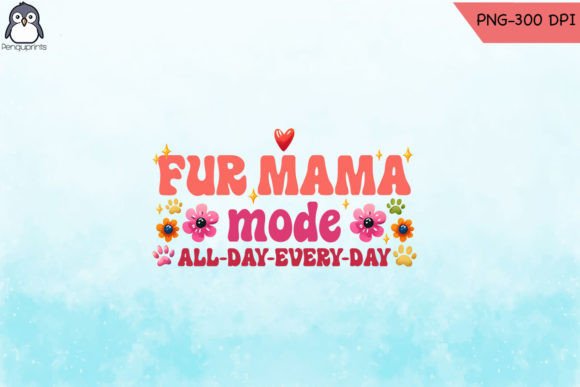
When I first opened the Fur Mom Mode Sublimation PNG Design, my immediate thought was: this is a mood. It’s playful, affectionate, and unapologetically celebrates that special bond. The overall shape and layout feel balanced, with a clear focal point that lends itself beautifully to becoming a stitched centerpiece. As an embroidery designer reviewing this for real project use, my job is to look past the digital file and imagine how this sentiment translates into thread and fabric.
The First Impression: Where This Design Naturally Belongs
The visual personality here is warm and modern. It’s not overly intricate, which is a significant advantage for embroidery. A design like this isn’t trying to be a dense, photographic fill stitch masterpiece; it’s aiming to convey a feeling with clean lines and readable elements. That makes it a fantastic candidate for a range of projects where clarity and charm are paramount. I instantly pictured it on a cozy, washed-cotton sweatshirt, a canvas tote bag for a dog park regular, or as a sweet, subtle detail on a baby blanket for a new pet-loving family. It has that giftable quality—something you’d create for a friend or a customer who wants a personalized, handmade product that speaks directly to their heart.
Performance in Real-Life Embroidery Scenarios
Let’s walk through a real case. Imagine I’m preparing a custom embroidered tote bag for a client who runs a small pet boutique. They want merchandise that feels personal and high-quality. Using the Fur Mom Mode design here isn't just about stitching a graphic; it’s about enhancing their brand’s warmth. On a sturdy canvas tote, the design would likely work best as a combination of satin stitch for the bold elements and running or fill stitch for the softer details. The key is maintaining that visual appeal and stitching clarity so the finished product looks professional and inviting.
This design could shine on various surfaces: a soft patch sewn onto a denim jacket, a carefully placed motif on the corner of a kitchen towel for a pet-loving home, or even as a small accent on a cap. For baby clothes or nursery decor, it would need to be scaled appropriately—the theme is perfect, but execution must be safe and soft. In a craft business context, whether for Etsy listings or craft fair products, this design adds value by being recognizably niche. It engages a specific buyer looking for that "fur mom" identity.
Where to Exercise a Bit of Caution
While the design’s relatively clean layout is a strength, there are always considerations. On very small hoop sizes, some finer details might need simplification to remain crisp. Textured fabrics like certain sweaters or thin, stretchy fabrics require extra attention to stabilizer choice to prevent distortion. If applied to dark fabric backgrounds, thread color contrast becomes absolutely critical—you’d need to test whether the intended palette pops or gets lost.
Embroidering on curved surfaces like caps demands careful digitizing adaptation to ensure the layout flows with the shape. Any tiny lettering within the design must be evaluated for stitch density; too dense can make it puffy and hard to read, too sparse can look frail. And for products destined for frequent washing, like apparel or kitchen items, the stability of the stitches and the integrity of small corners must be robust. This isn’t a limitation of the design itself, but a universal reminder for any embroidery project.
Affecting Value, Trust, and Professionalism
How does using this design affect the final product's perceived value? When executed well, it elevates a simple item. A plain sweatshirt becomes a personalized gift. A basic apron becomes boutique merchandise. For a small shop owner or creative entrepreneur, consistently using well-chosen, well-embroidered designs builds customer trust and brand consistency. The handmade presentation feels intentional, not random.
This particular design, with its relatable theme, has high giftability and recognition. It tells a story. That story, rendered in precise embroidery, communicates professionalism. It shows the maker understood not just the technical task, but the emotional resonance the customer wanted. That engagement is what turns a one-time buyer into a repeat client.
Practical Notes from the Embroidery Desk
Before loading this into my machine for a client’s project, my checklist is always practical. First, I test the design on scrap fabric of the same type I’ll use—this reveals how the stitch density interacts with the fabric texture. I review thread color choices against both light and dark backgrounds, sometimes even stitching a small sample in black and white to check form alone. I confirm the hoop size needed for the desired final size and inspect any small details in the design file to ensure they’ll translate cleanly into stitches.
Using proper stabilizer is non-negotiable for clarity. I also consider the end use: is this for a personal project, or a commercial embroidery run for my craft business? The crucial step here is to confirm the licensing terms of the Fur Mom Mode Sublimation PNG Design before selling any finished items. The product description mentions its use for DIY projects, but a professional must verify commercial use rights. Never assume.
Finally, I think about how this embroidery file would work as a digital product preview or in printable mockups for my shop. A clean, well-stitched sample is the best advertisement for the design asset itself.
In essence, the Fur Mom Mode Sublimation PNG Design offers a strong, emotionally resonant starting point for a beautiful finished product. Its success hinges not on the digital file alone, but on the thoughtful application of embroidery principles: careful testing, mindful material selection, and a clear understanding of the story you and your customer want to stitch into the world.