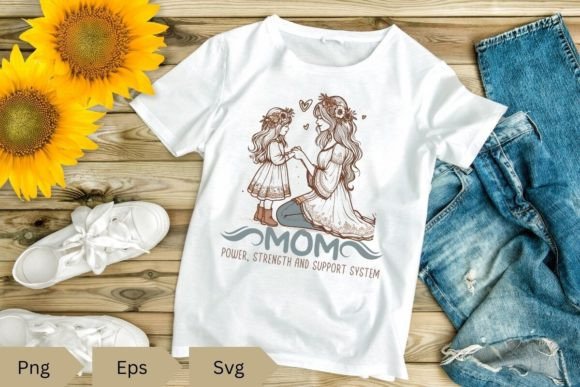
Mom Power: A Review for Embroidery Professionals
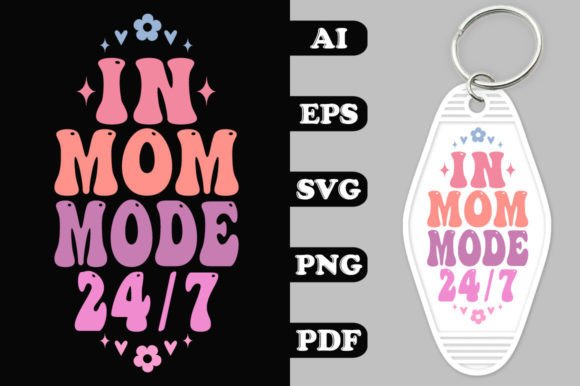
As a designer who lives with embroidery files, I always look at a new design with a project in mind. When I saw Mom Power Strength and Support System, my immediate thought was of a custom sweatshirt for a client—a gift for a new mom celebrating her community. This isn't just a graphic; it’s a sentiment waiting to be stitched. Let’s talk about how this design translates from digital file to finished product.
The First Impression: Warm Strength, Not Toughness
The layout and theme of Mom Power Strength and Support System create a mood of warm, connected strength. It feels supportive and celebratory, not aggressive or boastful. The visual personality leans towards a modern, heartfelt aesthetic suitable for gifts and personal wear. The detail level, given the 15″ and 18″ artboard sizes mentioned, suggests it can handle a good amount of intricacy without becoming overwhelmingly dense. For an embroidery designer, this tells me it belongs naturally on items meant to convey care and recognition—think personalized gifts, boutique baby items, or wellness-themed merchandise.
Where This Design Shines in Real Projects
In practical use, Mom Power Strength and Support System has a broad application range. The provided file formats—SVG, EPS, PNG—are the standard trio for digital product sellers and commercial embroidery, allowing for versatility from machine embroidery to printable mockups.
For a real-life scenario, imagine preparing a custom embroidered tote bag for a Mother’s Day market. This design would stitch out beautifully on a canvas tote, offering strong visual appeal and a clear, meaningful message that customers connect with. On a high-quality sweatshirt, it becomes a statement piece. For baby clothes or nursery decor, it softens into a lovely emblem of family. As an embroidered patch, it could be applied to aprons, pillow covers, or even kitchen towels, creating a cohesive line of products for a small shop. The 300 DPI CMYK specification hints at good print-ready quality for digital previews, which is crucial for Etsy sellers creating listing images.
A Note on Commercial and Gift Use
The design’s thematic strength directly affects product value and buyer engagement. On a handmade product, it elevates the presentation from a simple decoration to a thoughtful artifact. For creative entrepreneurs, it supports brand consistency if your shop focuses on empowerment, family, or community. Its giftability is high, especially for holidays, weddings, or just as a personal encouragement. The professionalism of the final stitch will hinge on your execution, but the design assets provide a solid foundation.
Careful Application: Where to Be Mindful
Like any embroidery design, success depends on thoughtful application. While the artboard sizes are generous, you must still consider the actual hoop size and fabric.
I would advise caution on very small hoop sizes if the design contains tiny lettering or intricate decorative accents—always test a section first. On textured or stretchy fabrics like some knits, the stitch clarity of finer details could be challenged; a proper stabilizer is non-negotiable. Embroidering on dark fabric requires careful thread color contrast planning to maintain the design’s warmth and readability. On curved surfaces like caps, the larger 18″ layout might need smart scaling to fit without distortion.
For products destined for frequent washing, such as baby clothes or kitchen linens, review the stitch density in your test run. Overly dense fill stitch areas can make fabric stiff and less durable over time. The key is adaptation.
Practical Designer Notes Before You Stitch
Before committing this design to a client project or your craft business inventory, run through these steps. They’re the difference between a good file and a great finished product.
- Always test on scrap fabric first. Use the same material and weight as your final project. This reveals how fabric texture interacts with the design.
- Check your thread palette against both light and dark backgrounds. Create simple black and white mockups to evaluate the form without color bias.
- Inspect the small details in your test stitch. Look for any corners or connections that might be too fine for your machine’s satin stitch or running stitch.
- Confirm the actual hoop size needed for your desired output. The artboard size is a design dimension, not necessarily a hoop requirement.
- Use the appropriate stabilizer for your fabric type. This is especially critical for thin or stretchy fabrics to preserve detail.
- Most importantly, confirm the licensing terms for this design. The product category is Crafts and type is Graphics, but you must verify if it’s cleared for personal and commercial projects before selling finished items or using it in commercial embroidery for clients.
The Final Stitch: A Design Built for Connection
Evaluating Mom Power Strength and Support System from a professional standpoint, it stands out as a design with emotional resonance and technical versatility. It’s not just an embroidery file; it’s a tool for creating products that feel meaningful. In the hands of an embroidery designer, a small business owner, or a hobbyist making a personalized gift, it can become a beautifully stitched emblem of support. Its success on a tote bag, sweatshirt, or baby item will ultimately come from your skill in pairing it with the right fabric, thread, and intention. My judgment? It’s a strong candidate for projects where the message matters as much as the craftsmanship.