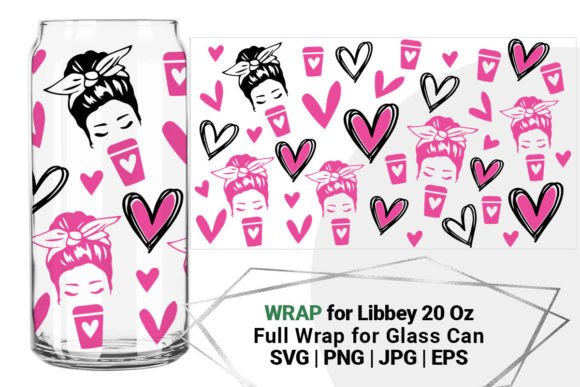
Reviewing the 'Mom Life Coffee' Embroidery Design for Libbey Mugs
The Mood is Everything
When you first look at this Mom Life Coffee embroidery design, it sets a tone. It’s more than just a graphic; it’s a feeling. The cozy coffee mug paired with that relatable sentiment creates an immediate, friendly connection. It has that warm, humorous, and slightly weary personality that so many moms (and coffee lovers) will instantly recognize. This isn’t a flashy, overly detailed piece. It’s clean, graphic, and confident. As a designer, I appreciate that. It tells me this embroidery file is built for clarity when stitched, not just for looking pretty on a screen. The layout is balanced, and the detail level is practical—it should translate well into stitches without getting lost in tiny, fussy elements.
A Perfect Fit for the Boutique Tote Bag
I picture this on a canvas tote bag immediately. It’s the kind of handmade product that a small shop owner or an Etsy seller would create for a customer looking for a personalized, useful gift. The design’s size and shape feel right for a bag’s panel, offering good visibility without overwhelming the fabric. When I imagine stitching it, I think about the reaction: it’s that moment when a client sees it and says, “Oh, that’s so me!” That’s the value here. It’s not just decoration; it’s a badge of identity. For a craft business, that kind of emotional resonance is gold. It turns a simple tote into a conversation piece and a repeat purchase.
Where This Design Excels in Real Projects
The applications are versatile. Beyond tote bags, I’d confidently use this for a relaxed-fit sweatshirt or a soft apron. The theme is universal enough for holiday embroidery gifts—think Mother’s Day, birthdays, or just a “thanks for being awesome” present. For baby embroidery, it could be sweet on a burp cloth or a nursery pillow for a coffee-loving new mom. As a digital embroidery file, the included formats like SVG and PNG mean you can also create printable mockups for your online listings, which is a huge plus for digital product sellers. This adds professionalism to your shop and helps buyers visualize the finished product.
For commercial embroidery, say on a series of kitchen towels for a boutique, the design’s clean lines suggest it will stitch out consistently. It should maintain its visual appeal on repeated runs, which builds customer trust in your brand’s quality. The stitch density looks manageable; it shouldn’t become overly thick or stiff on lighter fabrics like cotton tees, preserving the garment’s comfort. This is crucial for custom apparel.
A Note on Caps and Curved Surfaces
While the design is adaptable, be mindful on curved surfaces like caps. The circular mug shape and the lettering need to sit well on that dome. It’s absolutely possible, but it requires careful hooping and perhaps a test run on a spare cap to ensure the running stitch details and the mug outline don’t distort. This isn’t a weakness of the design; it’s just a standard consideration for any embroidery project on a non-flat surface.
Careful Placement: Where to Pay Attention
Success in embroidery is about knowing the limits. With Mom Life Coffee, the small details are in the text and the mug handle. On very textured fabrics like some sweaters or on dark fabric where you might use light thread, those fine lines could lose clarity if the stitch density is too low or the stabilizer choice is wrong. Similarly, on stretchy fabric, you need proper stabilization to keep those clean edges.
I’d avoid going too small with the hoop size. Shrinking this design down for a tiny patch on a baby bib might compress the lettering to the point where it becomes a dense, unclear blob. It’s meant to be read and enjoyed, so give it the space it deserves. Also, for products destined for frequent washing, like tea towels or kids’ items, ensure your thread choices are robust and your stitching is secure to maintain that handmade presentation over time.
How It Lifts Your Product's Value
Using a design with such clear personality directly affects buyer engagement. It makes your product feel thoughtful and specific, not generic. For a personalized gift, this is everything. It elevates a simple embroidered pillow cover or apron from a commodity to a cherished item. For your brand consistency, if your shop leans into cozy, humorous, or family-oriented themes, this design reinforces that voice perfectly. It looks professional when stitched well, which in turn makes your entire craft business feel more professional.
Practical Notes From the Hoop
Before you commit this to a client’s project or a batch of small shop merchandise, do the groundwork. Always test the design on scrap fabric first. Use the same material you plan for the final product. This lets you review stitch density, see how the fill stitch areas behave, and inspect small details like the mug’s handle. Check thread color contrast against your background fabric—play with fun colors for the mug or text to make it unique. Compare light and dark fabric backgrounds in your mind or with a quick digital mockup; the design should hold its character on both.
Confirm hoop size by stitching a test. The product listing doesn’t specify an exact count or size, so you must verify it works comfortably in your intended hoop. Use proper stabilizer for your chosen fabric; this is non-negotiable for maintaining clarity. Since the file bundle includes multiple formats, you have flexibility. But a crucial step: check whether the design works for both personal and commercial projects by confirming the licensing terms. Don’t assume; knowing your rights before selling finished items is part of being a professional.
The Final Stitch
Mom Life Coffee for Libbey 20 Oz is a strong, mood-driven design asset. It’s not overly complex, which in embroidery terms often means it’s reliable. It belongs on projects where a smile is part of the product—the tote bag for a friend, the sweatshirt for a mom, the holiday gift for a sister. Its value lies in that connection. As a designer reviewing it for real use, I see a file that, with proper preparation and testing, will stitch out cleanly, sell effectively, and gift warmly. It’s a practical choice for makers who want their work to resonate, not just decorate.