The “Stay Pawsitive” Cut File: A Designer’s First Impression
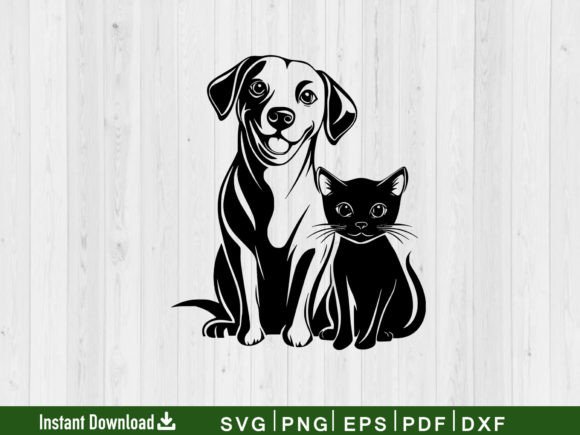
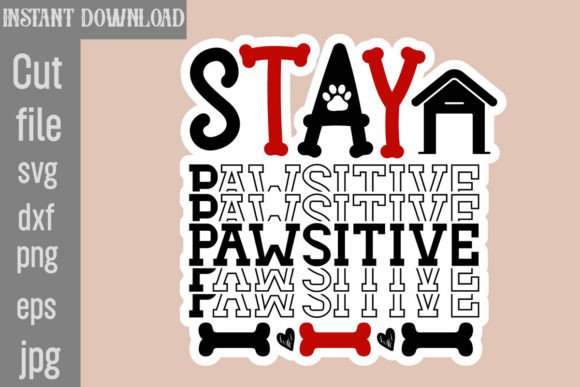
Let’s talk about this “Stay Pawsitive” SVG bundle from a designer’s perspective. When you first open a cut file like this, you’re not just looking at a graphic; you’re evaluating a future embroidered product. My immediate take? This has a cheerful, friendly vibe. The “pawsitive” play on words paired with a dog theme creates an instantly uplifting mood, perfect for projects meant to spark a smile.
The shapes feel open and approachable, with a level of detail that looks manageable for embroidery. This isn’t an overly dense, intricate illustration—it’s more of a clean, graphic style. That visual personality tells me it belongs on everyday items: a custom embroidered tote bag for a dog lover, a cozy sweatshirt, or a simple patch. It feels less formal, more “giftable” and personal.
Where This Design Finds Its Best Home
In practical use, the “Stay Pawsitive” cut file shines on a few specific products. Imagine you’re preparing a custom order for a client who wants a personalized baby item, like a little blanket or a bib. This design, with its gentle theme, would be a lovely, non-intrusive addition. It wouldn’t overwhelm the small fabric area.
As a small business owner crafting merchandise for your Etsy shop, think about a simple embroidered apron or a kitchen towel. The design’s positive message adds value, turning a basic functional item into something with emotional appeal. For holiday gifts or wedding gifts for pet owners, embroidered onto a pillow cover, it becomes a thoughtful, handmade presentation that feels unique.
For apparel decorators, a well-placed embroidery on the left chest of a cap or the front of a standard t-shirt would work well. The layout doesn’t demand a huge hoop size, making it efficient for production. In my mind, I see it stitching out cleanly on a natural-colored tote bag—the kind of product that sells well at craft fairs because it’s useful, pretty, and universally understood.
Caution Zones: Where to Test First
Every design has its limits, and a professional knows to test them. With “Stay Pawsitive,” I’d be careful on a few fronts. First, very small hoop sizes. If you try to shrink it down too much for a tiny baby clothes detail, those clean shapes might lose their clarity. Always test on scrap fabric first.
Textured fabrics, like a thick sweater or a loosely woven blanket, could muddy the crisp edges. Similarly, on stretchy fabric, you’ll need the right stabilizer to prevent distortion. Dark fabric backgrounds require careful thread color contrast planning; a light satin stitch fill for the letters needs to pop.
Pay special attention to any tiny lettering details in the phrase itself. In embroidery, small text can become a dense stitch area that feels stiff. Run a test stitch to inspect these small details. Also, on curved surfaces like caps, check the design’s orientation and layout—sometimes a graphic meant for a flat surface needs slight adjustment to look right on a curved seam.
For products that need frequent washing, like tea towels or everyday sweatshirts, consider the stitch density. A design with very thick fill stitches might hold up better over time than one with lots of fine running stitch details. This is where your practical judgment as an embroidery designer comes in.
How This File Affects Your Finished Product’s Appeal
Using a well-executed design like this directly impacts customer trust and your brand’s professionalism. When a handmade product has clear, crisp embroidery with a positive message, it feels intentional and high-value. A buyer sees that you chose a design with visual appeal and stitching clarity, not just any random graphic.
For creative entrepreneurs, it aids in brand consistency. If your shop has a friendly, uplifting aesthetic, this cut file aligns perfectly. It enhances giftability—people are more likely to purchase an embroidered tote or pillow as a gift when the message is warm and recognizable. It boosts buyer engagement because it’s easy to understand and emotionally connects.
For commercial embroidery projects or digital product sellers using it in printable mockups, the clean graphic nature of the SVG means it renders well as a preview, giving customers a confident view of the final embroidered product. This builds professionalism in your listings.
Practical Notes From the Hoop
Before you run this machine embroidery design for a real client project, here are my straightforward notes. Always, always test it on a scrap of your target fabric first. This reveals everything: how the satin stitch or fill stitch behaves, whether the stabilizer is adequate, and if thread colors work on both light and dark backgrounds.
Check the provided file formats in the bundle to ensure compatibility with your equipment. Since the description mentions a variety of file types, confirm you have the correct embroidery file format for your machine. Review the overall stitch density by looking at a sewn sample; too dense can be stiff, too light can look sparse.
I strongly advise testing the design in simple black and white mockups to see its form without color influence. This helps you judge its shape purely. Crucially, confirm the licensing terms before selling finished items or using it in commercial embroidery. The description doesn’t specify this, so you must verify it yourself. Can you use it for personal and commercial projects? Don’t assume.
Finally, think about the product’s end use. If it’s for a boutique product or small shop merchandise, does the “Stay Pawsitive” theme fit your customer base? Does it feel cohesive with your other offerings? A design is a tool, and its success depends on how thoughtfully you apply it to the right fabric, product, and context.
In the end, this cut file is a strong design asset for craft businesses and hobbyists looking to create something with genuine positive appeal. Its value isn’t just in the digital download; it’s in the real, stitched-out smile it can create on a finished product.