A Close Look at the "Mom Mom Mom Life" Embroidery Design
When a new embroidery design file lands in my library, my first thought isn’t about the formats or the marketing claims. It’s about the stitch. I imagine how it will look on real fabric, under a hoop, transformed by thread. Today, I’m considering “Mom Mom Mom Life” for a batch of custom tote bags for a local boutique. Let’s walk through what makes this design work, and where it shines, from a purely practical embroidery perspective.
The Immediate Mood: Warm, Playful, and Unapologetically Bold
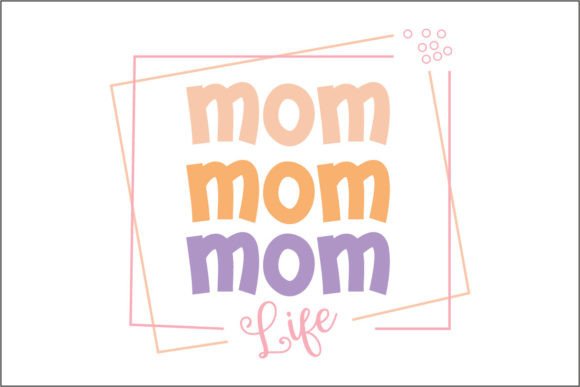
The first impression of “Mom Mom Mom Life” is one of cheerful repetition. The stacked “Mom” text creates a rhythm that feels both celebratory and a little mischievous. It doesn’t whisper; it declares. This isn’t a delicate, filigree sentiment—it’s a bold statement piece. The layout is straightforward, which is excellent for embroidery clarity. There’s a personality here that would resonate on gifts for a fun mom, a grandmother, or even a self-appointed “mom” of a friend group. It naturally belongs to projects meant to be seen and appreciated, not hidden.
Where This Design Excels in Real Projects
I picture this design thriving in several key embroidery situations. For custom apparel, like a relaxed sweatshirt or a comfy t-shirt, it would become the focal point. On a tote bag, it gains a utilitarian charm—a daily reminder carried around. For baby items, like a blanket or a simple burp cloth, it adds a playful, modern touch that feels less traditional than floral motifs. As an embroidered patch, it could be incredibly versatile, applied to aprons, caps, or even pillow covers for a personalized nursery decor element.
From a business standpoint, for Etsy sellers or craft fair products, this design has immediate giftability. It’s recognizable and emotionally engaging, which helps with buyer engagement. For small shop merchandise, it could become part of a cohesive line of “mom-themed” products, aiding brand consistency. The clean vector files mean it’s also suitable for printable mockups and digital previews, which is crucial for selling the idea before the stitch.
A Natural Fit for Holiday and Personalized Gifts
Think about Mother’s Day, birthdays, or even a “just because” gift. “Mom Mom Mom Life” embroidered on a high-quality kitchen towel or a pillow cover elevates a simple item into a thoughtful handmade product. The visual appeal is direct, and the stitching clarity—assuming proper execution—would convey a sense of professionalism and care, building customer trust in the craftsmanship.
Considerations for Stitching Success
This is where practical judgment comes in. The design’s strength—its bold, repeated text—also presents some embroidery-specific considerations. The likely stitch density in the lettering needs to be balanced. On thin or stretchy fabric, like a lightweight t-shirt, a dense satin stitch fill could cause puckering without the right stabilizer. On dark fabric, thread color contrast is paramount; a bright, contrasting thread would make it pop, but a poorly chosen hue could lose the definition.
Small details, like the corners of the letters, need to be inspected in the actual embroidery file. When testing, I always run a sample on scrap fabric first, especially for a text-based design. It’s also wise to check how it behaves in smaller hoop sizes. Would it retain its bold character on a curved surface like a cap? Possibly, but the layout might need adjustment. Textured fabrics could obscure the clean lines, so a smooth cotton or canvas is its natural home.
For products destined for frequent washing, like baby clothes or kitchen towels, the integrity of the stitches is key. A robust fill stitch and secure outlining would ensure longevity.
Notes for the Embroidery Designer Before Hooping Up
My standard process applies here. Before committing this to a client project or my own small shop product, I’d do the following:
- Test the machine embroidery design on the actual fabric type I plan to use (e.g., canvas for tote bags).
- Review the provided files—EPS, SVG, etc.—to confirm scaling is easy and clean for different product sizes.
- Check the design in both black and white mockups to visualize it on light and dark backgrounds.
- Confirm the licensing terms explicitly for commercial embroidery use if I’m selling the finished product.
- Plan my thread colors carefully. A monochrome scheme could be powerful, but a two-color accent might add depth.
- Remember that the design’s value in a handmade product comes from its execution. Clean stitching on a well-prepared item makes all the difference.
The Bottom Line for Makers and Entrepreneurs
“Mom Mom Mom Life” is a graphics file with a strong, specific voice. It’s not a universal background element; it’s a statement. For crafters and digital product sellers, it’s a straightforward design asset that can be turned into a high-impact finished product. Its success in your embroidery project will hinge on pairing it with the right fabric, the right stabilizer, and the right purpose—a bold gift, a boutique product, or a personalized keepsake. Approach it with a practical eye for stitch density and fabric compatibility, and it will likely deliver a cheerful, confident result that feels authentically handmade.