Dog Mom Embroidery: A Review for Real Projects
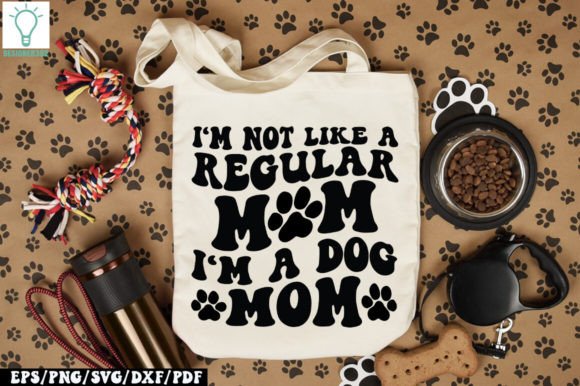
When a design like I'm Not Like Regular Mom I'm a Dog Mom lands in my project folder, my first question is always practical: how will this actually look when stitched? As a designer who regularly creates embroidered gifts and shop merchandise, I judge a file not by its preview image, but by its potential on fabric. This retro-style design, with its cheeky slogan and playful canine, immediately suggests a specific mood—it’s lighthearted, proudly niche, and carries a vintage charm. The layout feels balanced for a medium-sized hoop, and the detail level in the illustrated dog looks manageable; it’s not overly dense, which is a good sign for clean stitching on common materials.
The Perfect Project Fit: Where This Design Belongs
This design’s personality screams for application on cozy, personal items. Imagine it stitched onto a soft sweatshirt for a dog-loving friend, or centered on a canvas tote bag for a daily walk. My immediate mental image was a custom baby onesie for a newborn in a dog-centric family—a sweet, humorous twist on traditional baby embroidery. It’s also a natural fit for kitchen towels or pillow covers in a home where the pets are truly the center of the household. For small business owners, this is prime material for a popular Etsy listing: a ready-to-ship embroidered patch or a personalized cap. The theme taps directly into a passionate community, making it highly giftable and likely to engage buyers looking for something that reflects their specific identity, not a generic ‘mom’ motif.
Stitching It Into Reality: Performance on Real Products
In real-life embroidery situations, the key will be clarity. The phrase I'm Not Like Regular Mom I'm a Dog Mom needs crisp lettering. On a t-shirt or a lightweight tote, using a good stabilizer is non-optional to prevent puckering, especially around the satin stitches (if the file uses them) in the lettering and the fill stitches in the dog graphic. For apparel decorators, this will work beautifully on mid-weight fabrics like quilting cotton for tea towels or standard sweatshirt material. I'd avoid very stretchy fabrics unless you’re experienced with managing distortion, as the design has a fair amount of area coverage.
For dark fabric applications—think a black cap or a navy sweatshirt—you’ll need to plan thread color contrast carefully. A bright white or a pastel for the retro elements would pop nicely. One of my standard practices is to test the embroidery file on scrap fabric first, mimicking the final product's texture and color. This tells me everything: if small details like the dog’s collar or the tiny decorative accents get lost, if the stitch density feels too heavy for a baby garment, or if the overall size is right for, say, the curved surface of a cap.
Caution Areas: Where to Proceed with Care
Some applications require extra forethought. Very small hoop sizes might compress the design and muddle the slogan’s readability. Textured fabrics like some blankets could obscure the finer lines. If you’re considering it for something that needs frequent washing, like a kitchen towel or an adult apron, ensure you’re using robust thread and consider a slightly simplified version if the file allows it, to enhance durability. The design’s charm lies in its completeness, so trying to stitch it onto a tiny, detailed area would compromise its visual appeal. Always check the finished stitch count and density in your software before committing to a project; this directly impacts the product’s feel and longevity.
Beyond the Stitches: Impact on Your Craft Business
Using a design like this isn’t just about making a cute item. For creative entrepreneurs, it’s about crafting a product that resonates. When stitched well, this design elevates a simple garment into a personalized gift with high perceived value. It shows customer trust—you’ve understood a specific passion. For your handmade presentation, clean embroidery of this graphic reinforces brand consistency if your shop specializes in pet-themed or humorous items. It’s professional because it’s a complete, ready-to-use graphic asset, but the final professionalism hinges on your execution. A well-embroidered Dog Mom tote bag at a craft fair will attract engagement and likely spur conversations, driving sales.
For digital product sellers offering printable mockups or other designers, the inclusion of multiple formats (like the SVG, DXF, PNG, EPS, and PDF mentioned in the bundle) is a significant plus. It allows for flexibility in creating previews and complementary assets. However, a crucial step for any commercial use is to confirm the licensing terms before selling finished items or incorporating the design into your own digital products. Not all graphics bundles grant commercial rights, so this due diligence is essential.
Your Designer Checklist Before You Hoop
- Run a test on scrap fabric that matches your final project’s material.
- Check thread color contrast against both light and dark background mockups.
- Review the stitch density and detail size in your machine embroidery software.
- Confirm the hoop size needed and that it fits your intended product area.
- Inspect small details, like the lettering strokes and the dog’s features, for potential stitching issues.
- Use the proper stabilizer for your chosen fabric to maintain stitching clarity.
- Verify that the design files work seamlessly with your system for a smooth production run.
- Always, always clarify the license for your intended use—personal gift or commercial merchandise.
In the end, I'm Not Like Regular Mom I'm a Dog Mom is a strong, theme-driven graphic with broad appeal to a dedicated audience. Its retro aesthetic and straightforward layout make it a dependable choice for a range of embroidery projects, from heartfelt gifts to savvy small shop products. By approaching it with this practical mindset—testing, adapting, and targeting the right applications—you can transform this digital file into a beautifully stitched finished product that truly celebrates the dog mom life.